
Where I’m Meant to Be: Ellen Wu’s Unshakable Purpose in the Kindergarten Classroom
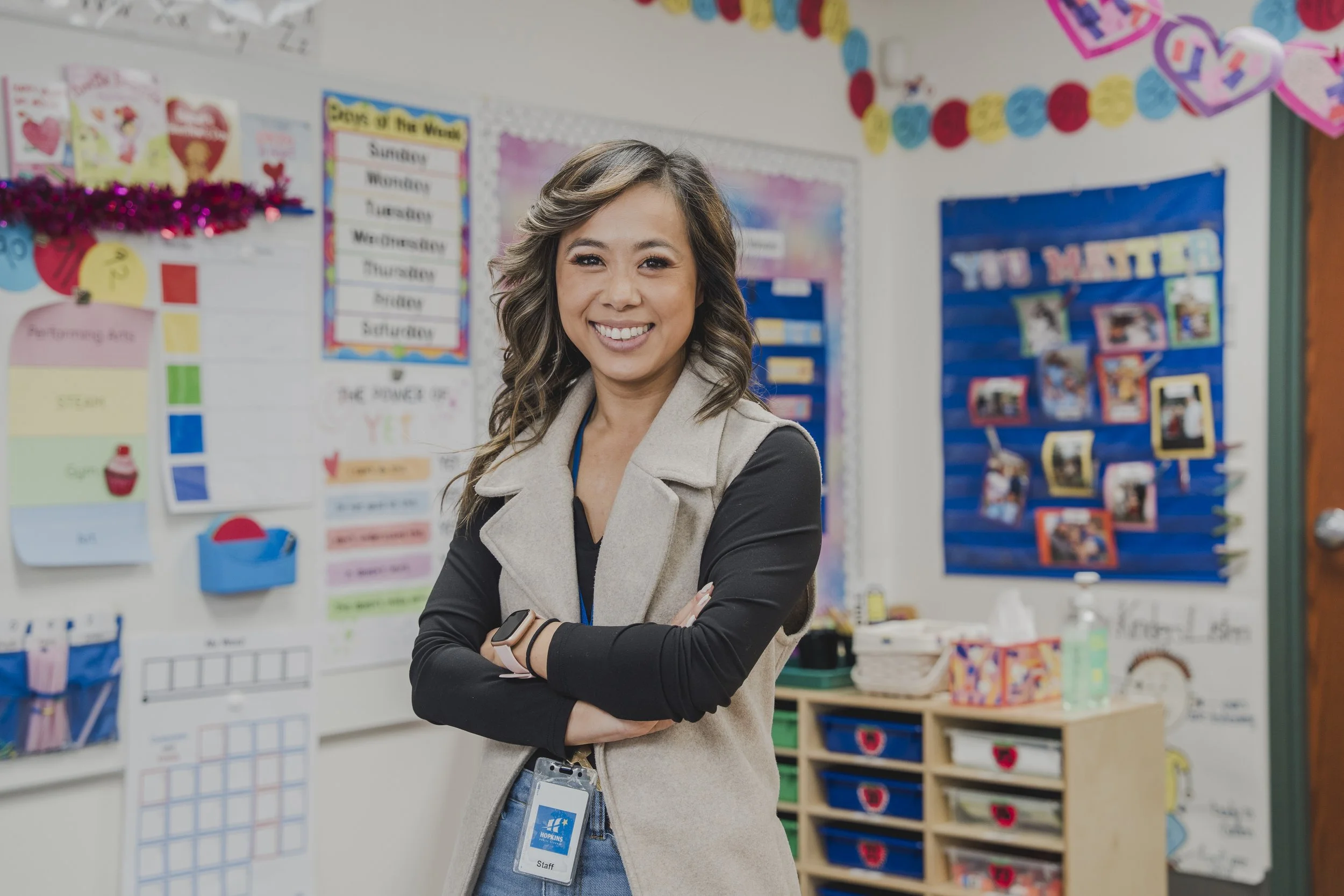
Ellen Wu, 2024 Minnesota Teacher of the Year Finalist, in her Kindergarten classroom
What inspired you to pursue a career in teaching?
Growing up, I had amazing teachers—some of whom I still keep in touch with—that left a lasting impression. My path to the classroom wasn’t straightforward. I initially pursued business, but every job I took kept leading me back to working with kids. In college, I worked as a preschool teacher and quickly realized that was where I felt most at home. Business courses never connected with me the way my education classes did. Growing up with three younger sisters, I always knew I was good with kids, and when I discovered there were real career opportunities in education, it clicked for me. Every job builds character, but teaching was the one I truly loved.
Can you share a pivotal moment or experience that solidified your decision to become an educator?
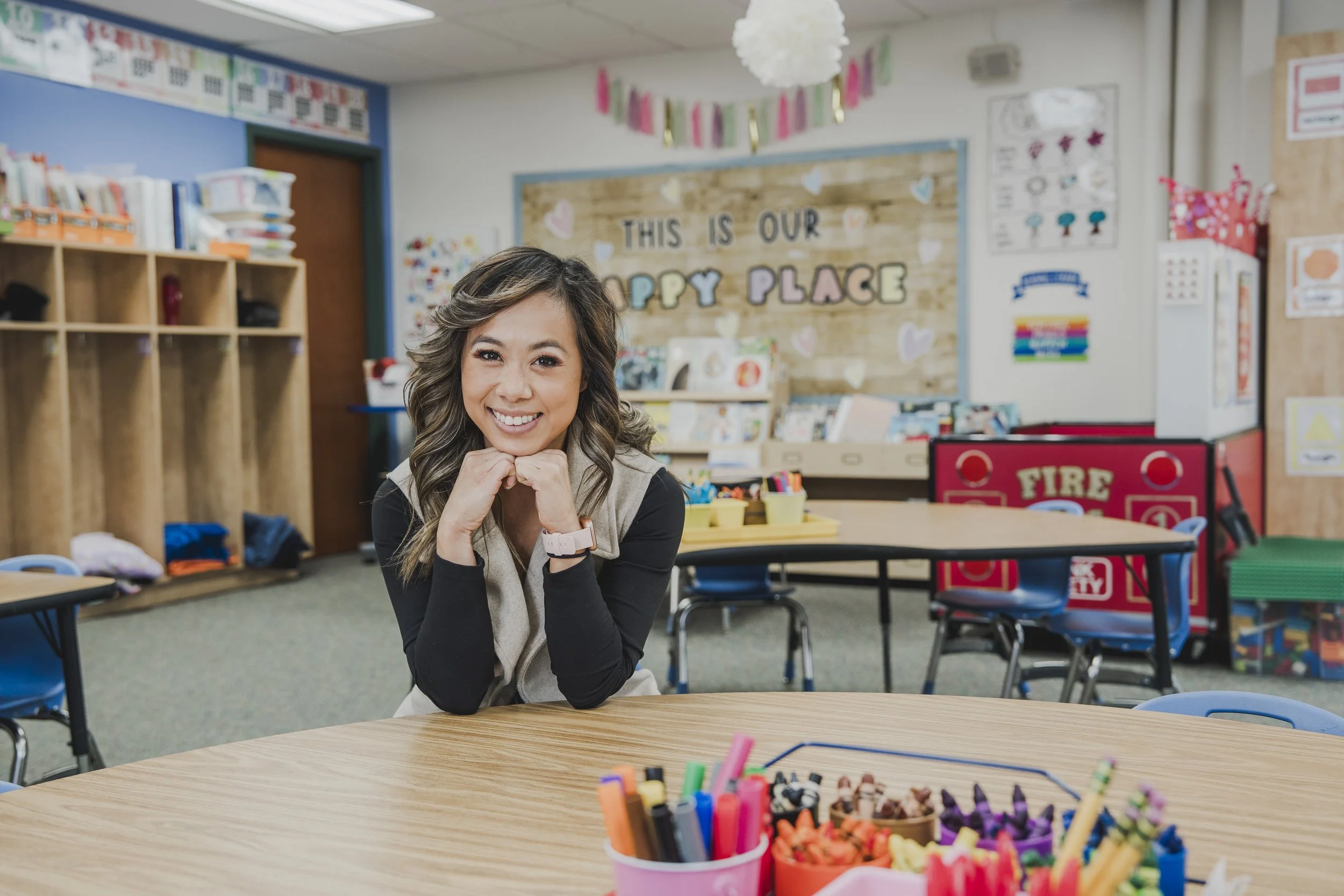
For over a decade, I’ve gravitated toward working with kids because they’re so genuine and authentic. What solidified it for me was when students would come back to visit and tell me I made a difference in their lives. That kind of impact fuels my passion. I know I’m meant to be in kindergarten—it’s where I belong. It’s a space where I can lay the foundation for a love of learning and help build a community. Watching students grow from age five to high school graduation is deeply rewarding.
What values or principles guide your approach to teaching young learners?
Relationships are at the heart of my teaching. Building strong partnerships with families is just as important as academics. When families trust you, they’re more likely to support their child’s learning journey. With that foundation, we can better guide students academically and emotionally.
What role does fostering curiosity and creativity play in your teaching philosophy?
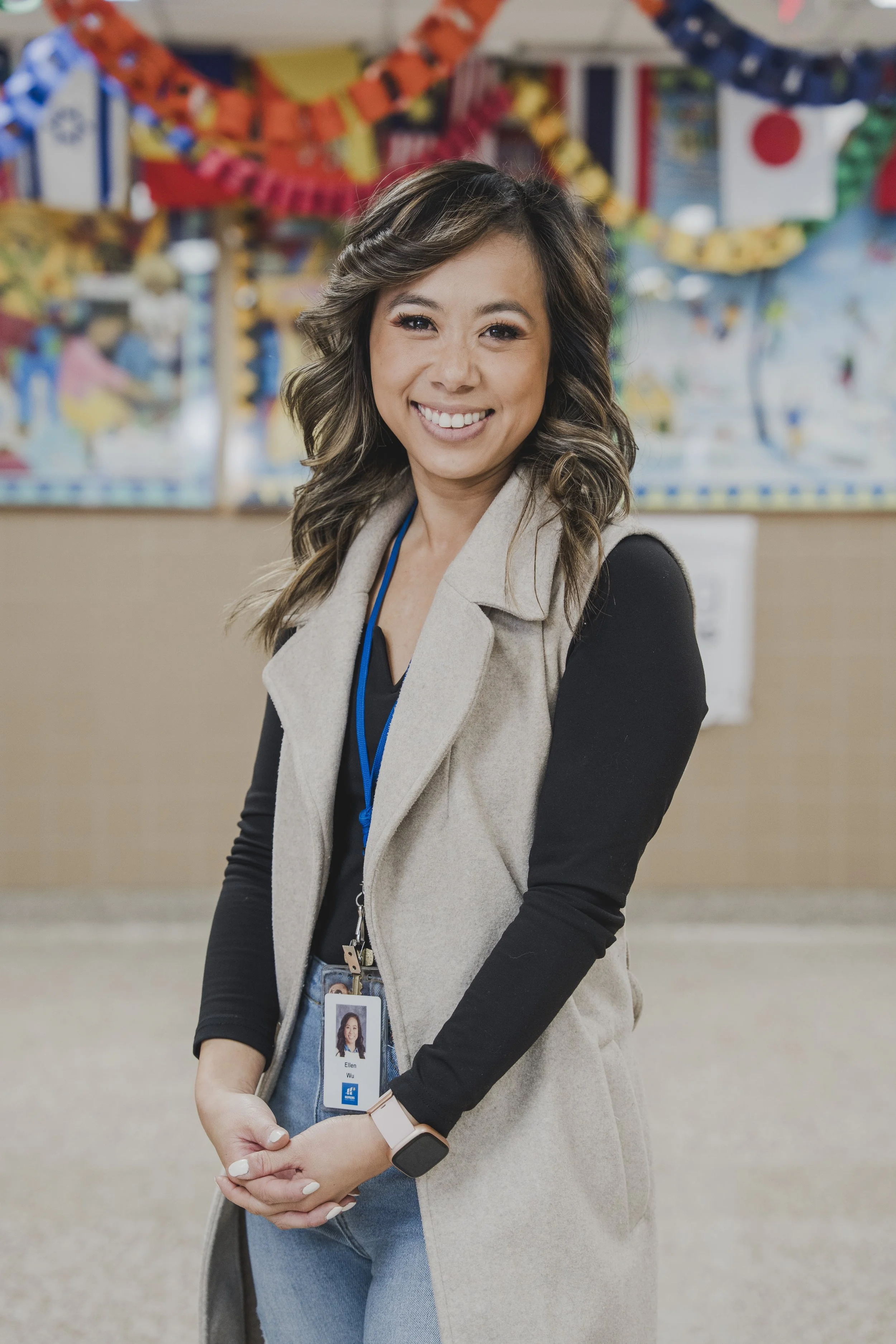
Kindergarten is all about setting the tone for a student’s educational journey. In today’s tech-driven, instant-gratification world, I believe it’s critical to nurture curiosity and patience. I work with families to understand each child’s interests—if a child loves dinosaurs, I’ll bring that into my lessons. Knowing what makes each student tick helps me create meaningful, engaging learning experiences. I also believe it’s okay to be bored sometimes—boredom can be a gateway to creativity and deeper thinking.

What experiences have most influenced your growth as an educator?
My greatest growth has come from lived experience, not textbooks or training. Visiting colleagues’ classrooms, learning from families, and listening to students when they say, “this isn’t how my brain works”—those moments have shaped me the most. They’ve pushed me to rethink my methods and keep evolving as a teacher.
For someone considering becoming a teacher, what would you say to them?
Come into a classroom and see if it speaks to you. If it does, pursue it wholeheartedly. If it doesn’t, that’s okay too—just be honest with yourself. Teaching is hard, often thankless, but it’s also deeply fulfilling. Kids need advocates and role models. If more people understood the impact and gave teachers the respect they deserve, I believe more would join—and stay—in this field.
